Aluminium Feather Edges, Derbies, Rules
-

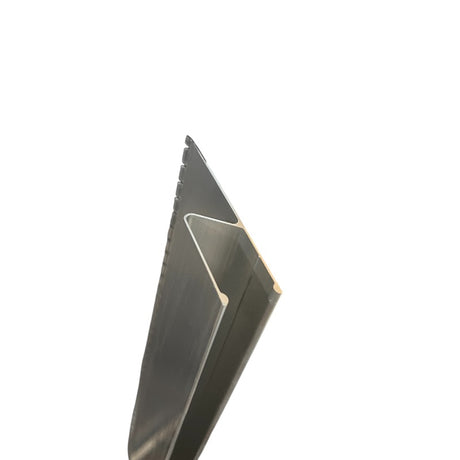
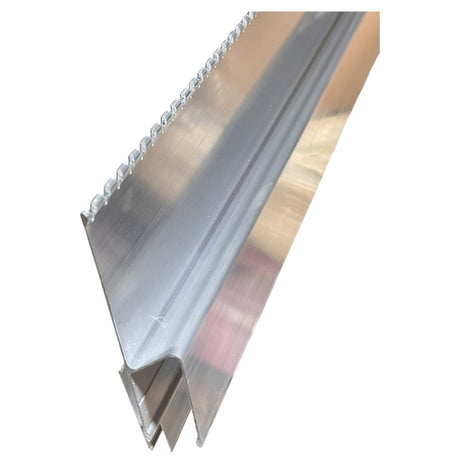
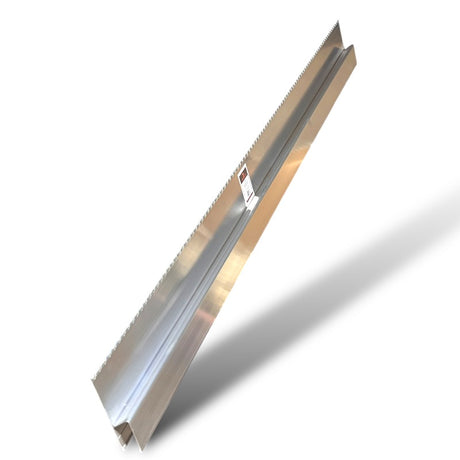
🟩 Skimflex & Refina H Shape Serrated Feather Edges Darbies
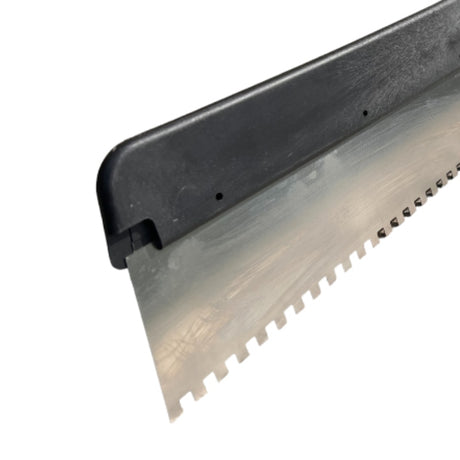
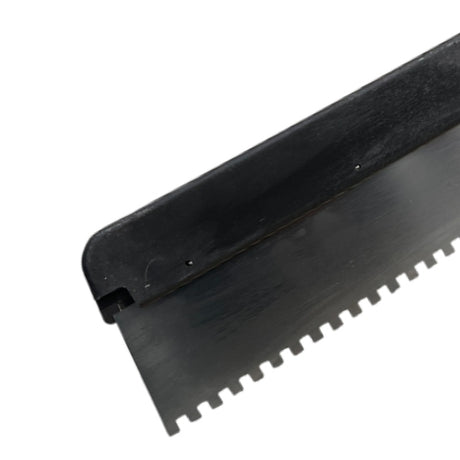
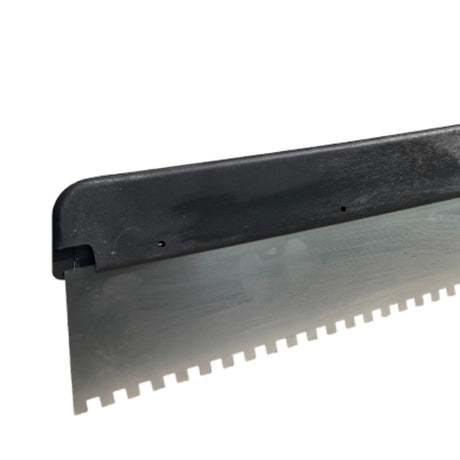
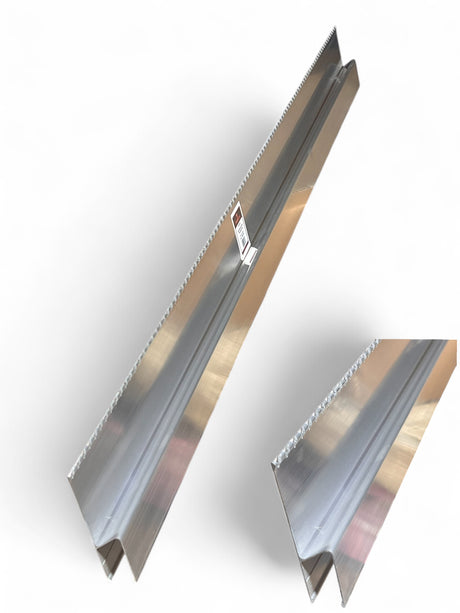
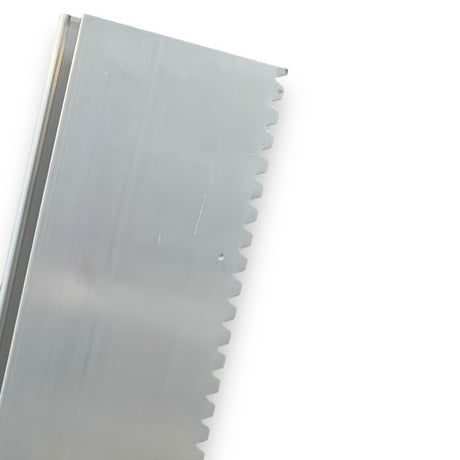
Skimflex and Refina serrated feather edges are built for professional plasterers and renderers who demand flat, consistent results on every wall. Designed to level freshly applied render, remove air pockets, and highlight high and low spots without dragging laitance to the surface, these aluminium straight edges provide accuracy and control across large areas. Manufactured from lightweight, precision-engineered aluminium with rigid H-section profiles, they deliver strength without unnecessary weight. Whether you choose Skimflex for outstanding value or Refina for established trade performance, these serrated straight edges are essential tools for achieving perfectly ruled render work across the UK. -

🟩 Skimflex & Refina H Shape Straight Edges, Darbies & Rules
Skimflex and Refina straight edges, darbies and aluminium rules are designed for professional plasterers and renderers who need perfectly flat, level surfaces across large areas. Available in H-section, Z-section and box rule profiles, these lightweight yet rigid aluminium tools provide the strength and accuracy required to rule off render, trim excess material and identify high and low spots with precision. Ideal for base coats and finishing preparation, they help achieve consistent thickness and a true surface before final trowelling. Whether you choose Skimflex for exceptional value or Refina for established trade performance, these straight edge tools are trusted across the UK for reliable, professional results. -

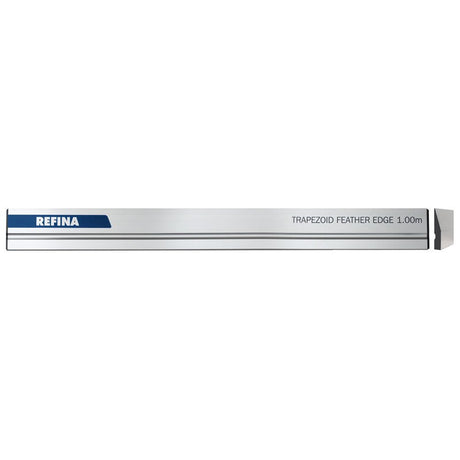
🟩 Skimflex & Refina Feather Edges (Trapezoid Profile)
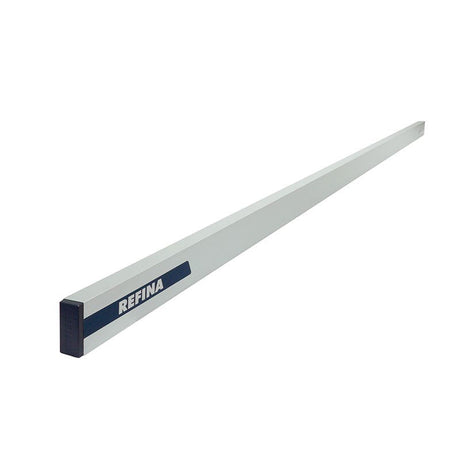
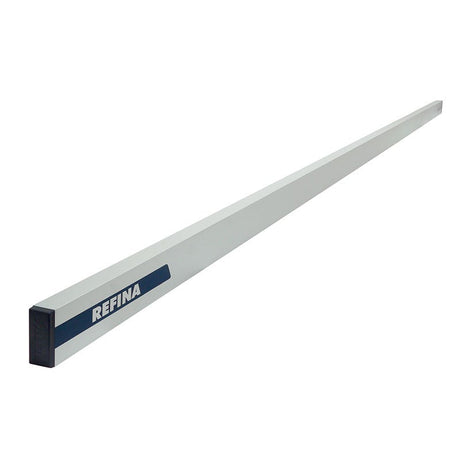
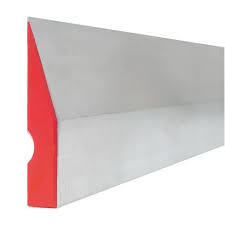
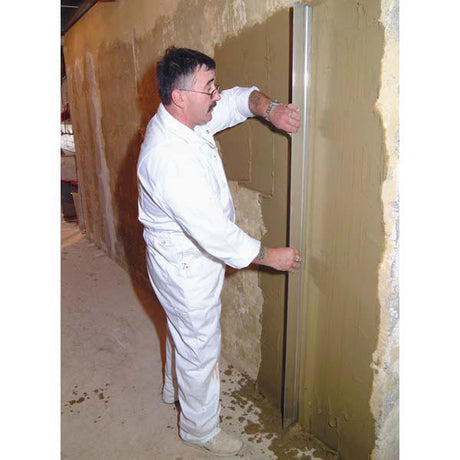
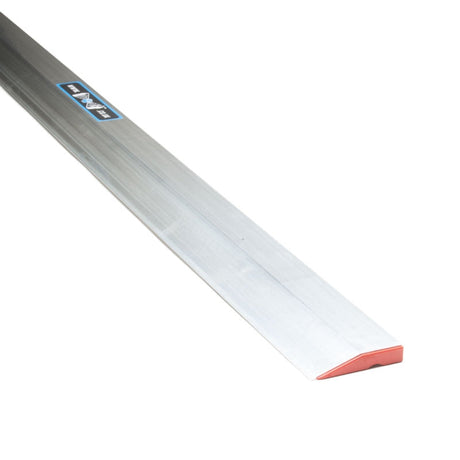
Skimflex and Refina feather edges are essential plastering straight edges designed to deliver flat, even surfaces when ruling off fresh plaster or render. Featuring a tapered trapezoid aluminium profile, these lightweight yet rigid tools allow you to draw down material smoothly, remove high spots and achieve consistent thickness across walls and ceilings. Ideal for base coats, rendering and screeding work, the smooth feathered edge glides without dragging or marking the surface. Whether known as a feather edge rule, plastering straight edge or trapezoid screeding level, Skimflex and Refina tools are trusted across the UK for precise, professional results. -

🟩 Skimflex & Refina I-Section Render Scrapers
Skimflex and Refina I-section render scrapers are designed for professional plasterers and renderers who need strength, straightness and speed when scraping back modern render systems. Featuring a rigid aluminium I-beam profile, these tools provide maximum stiffness with minimal flex, making them ideal for levelling monocouche, polymer, silicone and through-colour renders across large wall areas. The precision-extruded, burr-free edges allow smooth, controlled scraping without marking the surface, helping to remove high spots and achieve a consistent, flat finish before final texturing. Trusted across the UK, I-section scrapers are an essential tool for clean, accurate render preparation. -

🟩 Skimflex & Refina Box Rules, Straight Edges & Levels
Skimflex and Refina straight edge rules and box section levels are built for precise levelling across concrete screeds, brickwork, plasterboard and rendering applications. Manufactured from rigid, lightweight aluminium, these tools provide a true straight reference for drawing off wet screed, checking flatness and identifying high or low spots across large areas. Box section profiles offer added strength and reduced flex, making them ideal for floor screeding and dot-and-dab plasterboard work, while integrated spirit levels on selected models deliver accurate horizontal and vertical alignment. Whether used for bricklaying, floor levelling or general construction, these professional-grade aluminium rules are trusted across the UK for strength, accuracy and consistent results.


Refina
Aluminium Box Section Straight Edge – Refina Heavy Duty Levelling Rule
Low stock (10 units)From £15.99Unit price /Unavailable-
PFT Wales
Heavy Duty Screed Flooring Straight Edge – 2mm Thick, 100×50 Profile (1m–6m)
Low stock (7 units)From £27.99Unit price /Unavailable-
Refina
I Section Scraper – Aluminium Render Scraper Bar for Monocouche, Scratch Back & Levelling (7 Sizes)
In stock (12 units)From £6.99Unit price /Unavailable-
Refina
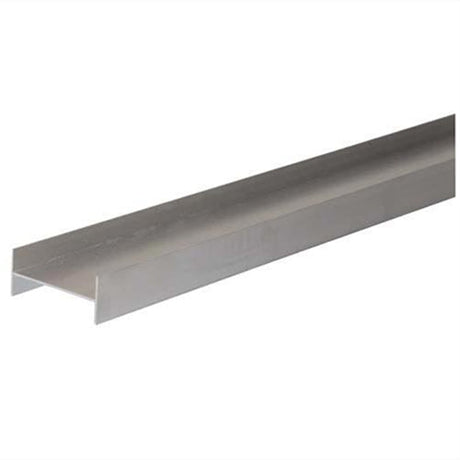
Refina Serrated Feather Edge Toothed Derby Rule (.5-2.0 meters)
Low stock (7 units)From £10.99Unit price /Unavailable-
Skimflex
Serrated Feather Edge Turned Spikes Toothed Derby Skimflex Plastering Rendering
£26.99Unit price /Unavailable-
Refina
Refina Aluminium H Shape Straight Edge Section Rule Flat Plastering Derby
Very low stock (1 unit)From £9.99Unit price /Unavailable-
Refina
Refina Plastering Feather Edge Trapezoid Aluminium Straight Edge Rule
Very low stock (3 units)From £9.99Unit price /Unavailable-
PFT Wales
Tough Plasterers feather edge Straight Edge Aluminium
From £15.99Unit price /Unavailable-
Skimflex
Render Slicker 100cm Aluminium Plastering Smoothing Rule
Very low stock (3 units)£29.99Unit price /Unavailable-
Skimflex
Plastering H-Section Derby 2m Aluminium Straight Edge Rule closed
£47.99Unit price /Unavailable-










Aluminium Straight Edges & Rules
View allSerrated & Flat Edge Rules, Screed Rules, Trapezoid Rules, I Section Scrapers & More
PFT Wales has an entire range of Straight edges and Derbies for Rendering, Plastering, Screeding, Tiling, Dry Lining Bricklaying & More
-
Refina
Aluminium Box Section Straight Edge – Refina Heavy Duty Levelling Rule
Low stock (10 units)From £15.99Unit price /Unavailable -
-
PFT Wales
Heavy Duty Screed Flooring Straight Edge – 2mm Thick, 100×50 Profile (1m–6m)
Low stock (7 units)From £27.99Unit price /Unavailable -
-
Refina
I Section Scraper – Aluminium Render Scraper Bar for Monocouche, Scratch Back & Levelling (7 Sizes)
In stock (12 units)From £6.99Unit price /Unavailable -
-
-
Refina
Refina Serrated Feather Edge Toothed Derby Rule (.5-2.0 meters)
Low stock (7 units)From £10.99Unit price /Unavailable -
-
Skimflex
Serrated Feather Edge Turned Spikes Toothed Derby Skimflex Plastering Rendering
£26.99Unit price /Unavailable -
-
Refina
Refina Aluminium H Shape Straight Edge Section Rule Flat Plastering Derby
Very low stock (1 unit)From £9.99Unit price /Unavailable -
-
Refina
Refina Plastering Feather Edge Trapezoid Aluminium Straight Edge Rule
Very low stock (3 units)From £9.99Unit price /Unavailable -
Made For Spray Render
View all
PFT Wales Has Everything You Need For Spray Plastering
The 1 Stop Shop
-
Skimflex
In stock (237 units)£21.99Unit price /Unavailable -
-
Blue Dolphin
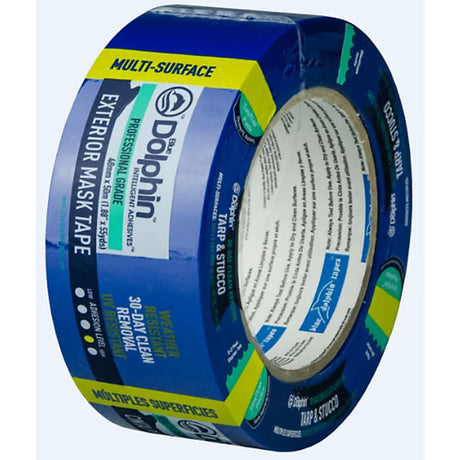
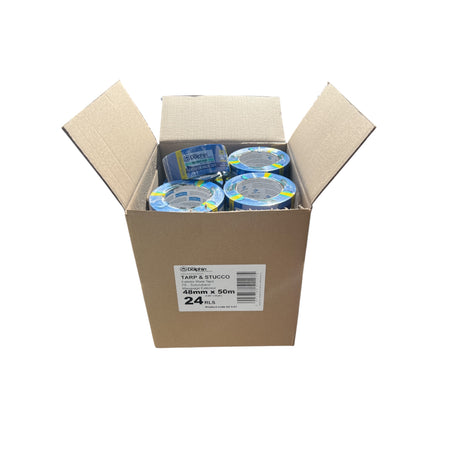
Blue Dolphin Tarp & Stucco Tape Blue masking External Tape 50 mts
In stock (56 units)From £3.68Unit price /Unavailable -
-
Refina
I Section Scraper – Aluminium Render Scraper Bar for Monocouche, Scratch Back & Levelling (7 Sizes)
In stock (12 units)From £6.99Unit price /Unavailable -
-
Refina
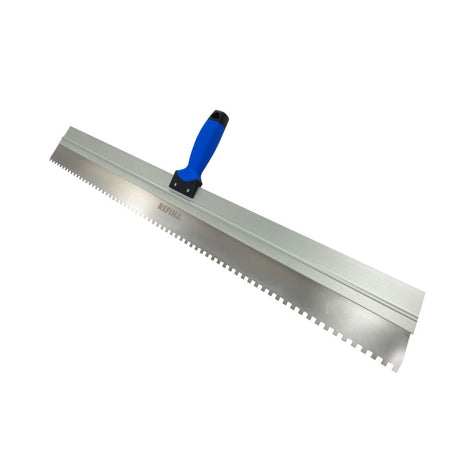
Refina Notched Spatula – Square Notches 6x6mm | 18" 24" 28" 32"
Low stock (9 units)From £14.99Unit price /Unavailable -
-
Refina
Refina Flattening Spatula – Stainless Steel 0.5mm Finishing Blade (12"–32")
In stock (13 units)From £10.99Unit price /Unavailable -
-
Refina
Refina Serrated Feather Edge Toothed Derby Rule (.5-2.0 meters)
Low stock (7 units)From £10.99Unit price /Unavailable -
-
Skimflex
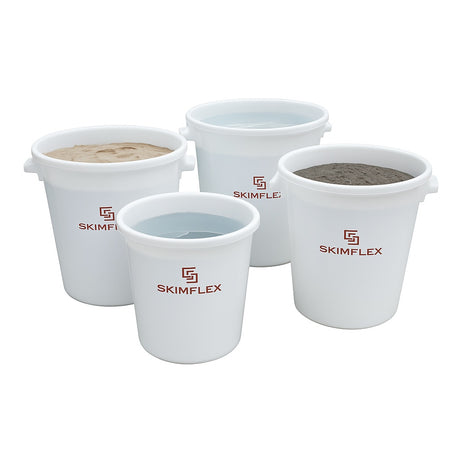
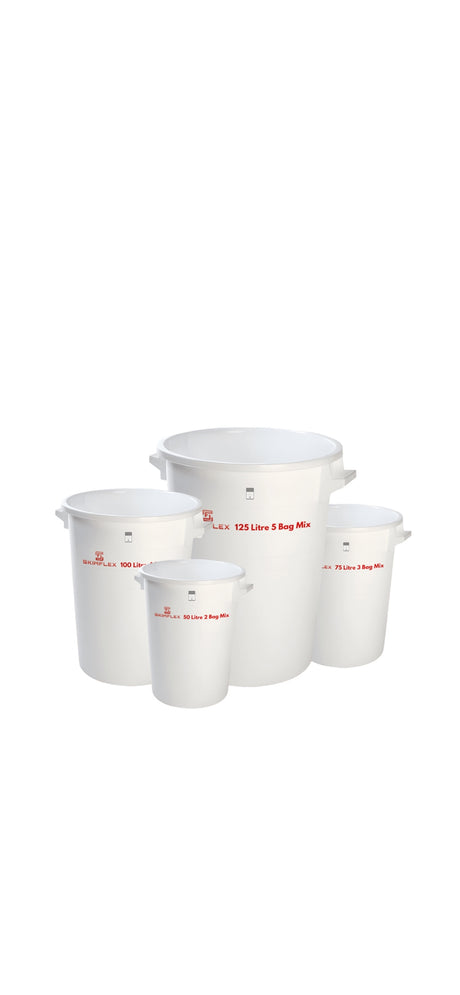
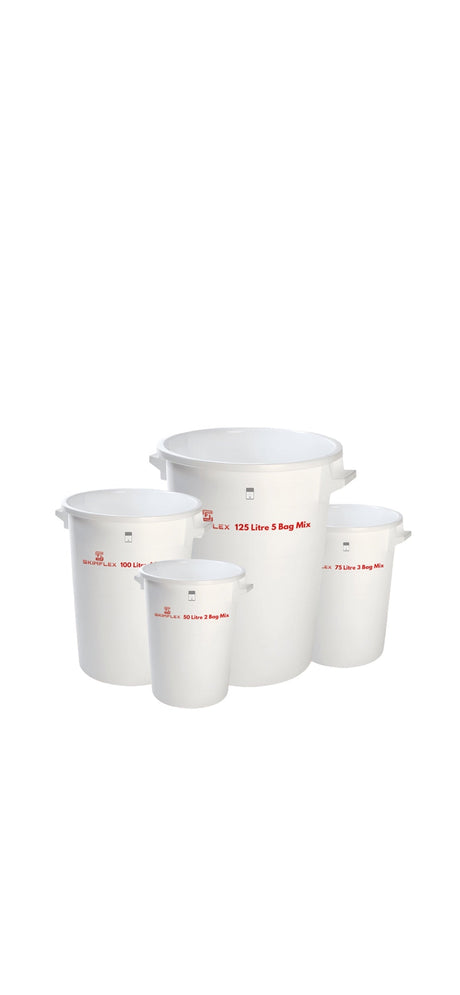
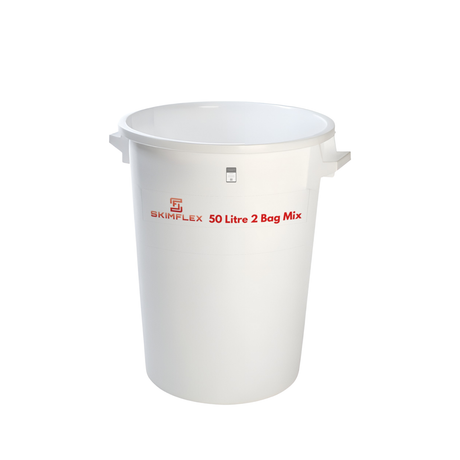
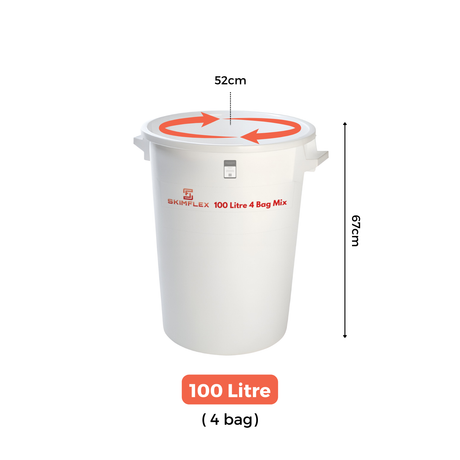
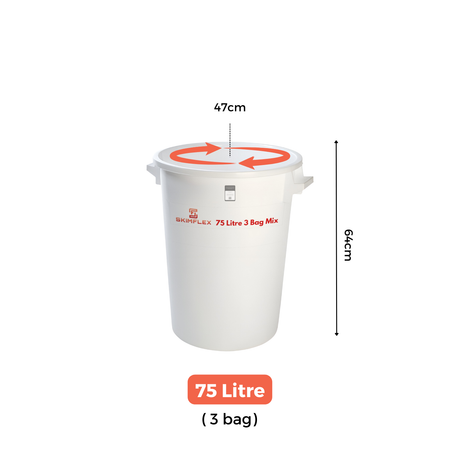
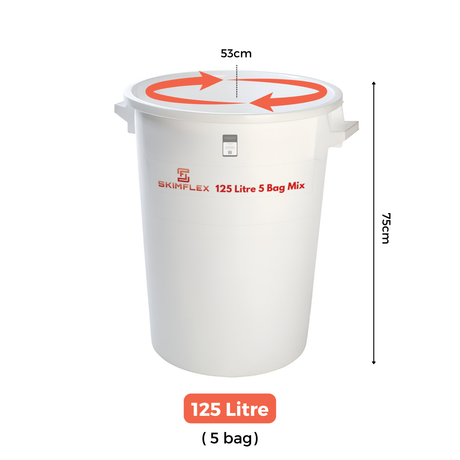
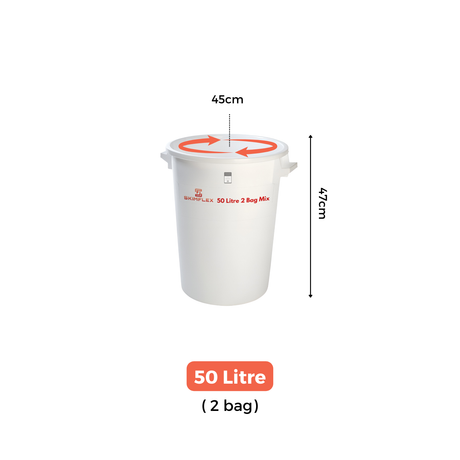
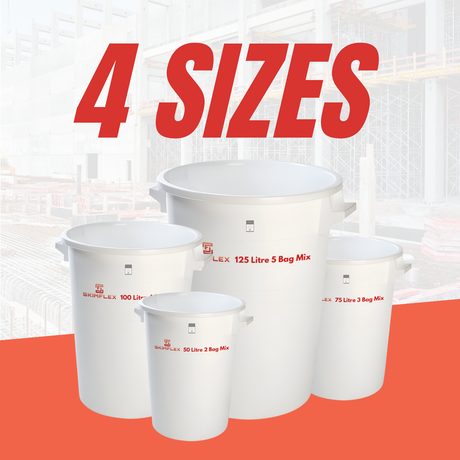
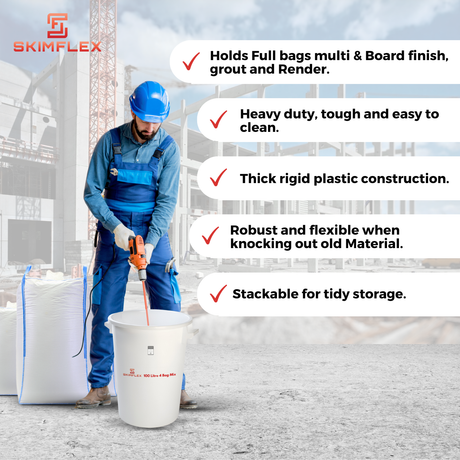
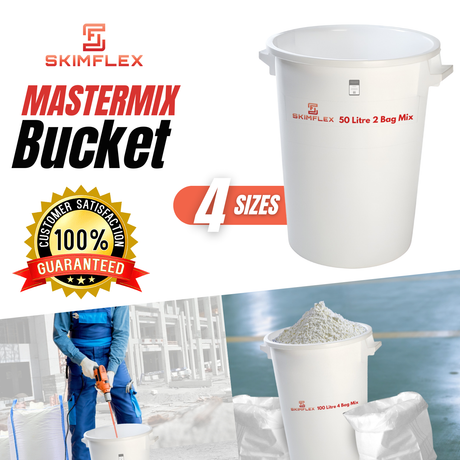
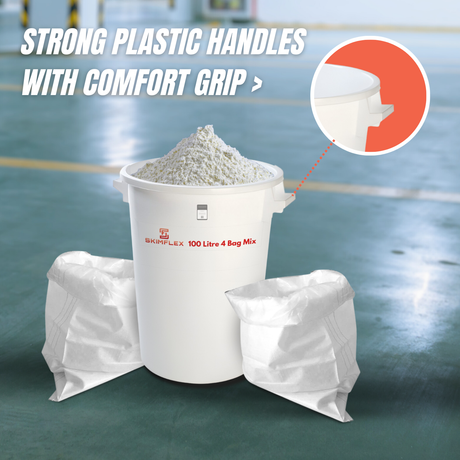
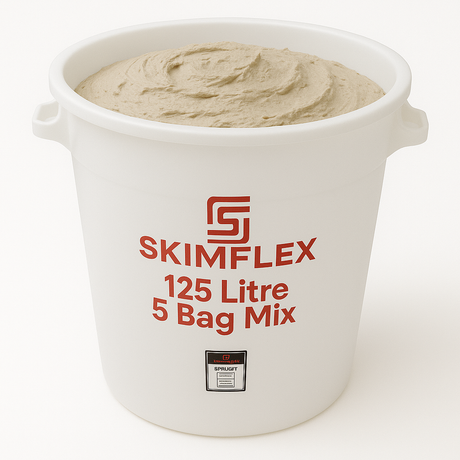
Skimflex Heavy Duty Mixing Buckets – 50L, 75L, 100L, 125L (FREE Shipping)
In stock (19 units)From £23.99Unit price /Unavailable -
-
Skimflex
In stock (61 units)From £16.99Unit price /Unavailable -
-
Skimflex
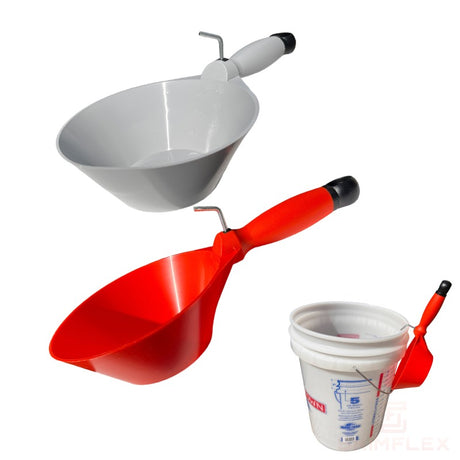
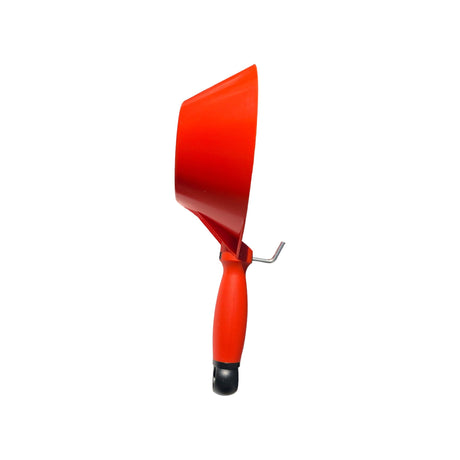
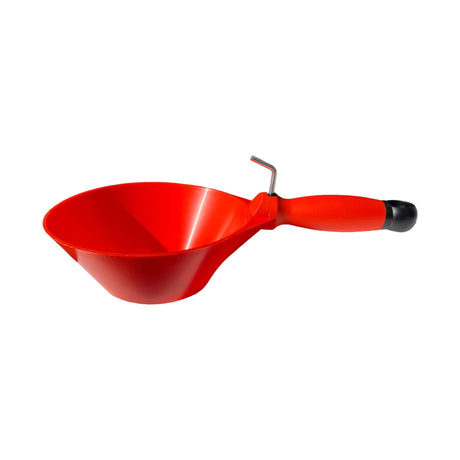
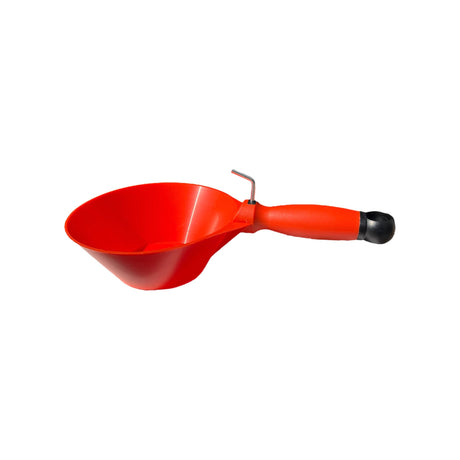
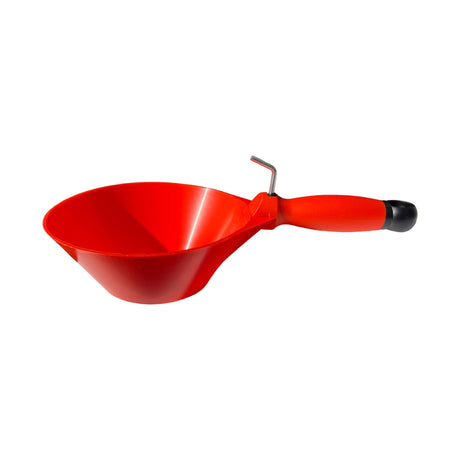
PVC Bucket Scoop / Mixing Dish 165mm Skimflex
In stock (229 units)From £8.99Unit price /Unavailable -
-
Skimflex
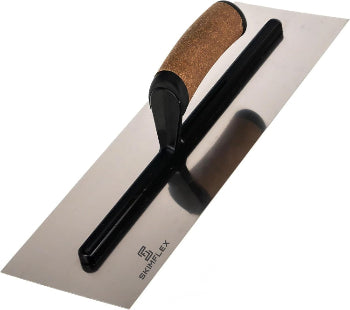
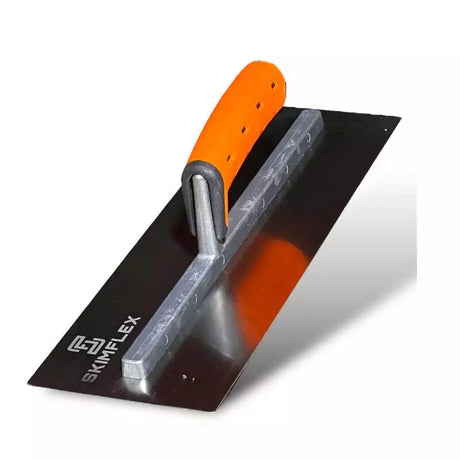
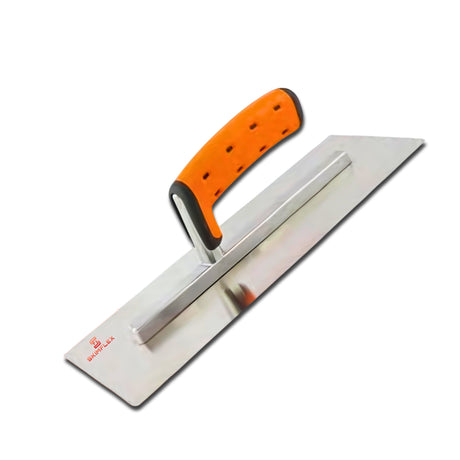
Plastering Finishing Trowel Soft Grip Stainless Steel Professional Plasterers
In stock (77 units)From £9.99Unit price /Unavailable -
-
Up to 3% off
Refina
Render Spray Kit – Refina Compressor & Hopper Gun Bundle
Very low stock (2 units)£499.99£514.99Unit price /Unavailable -
-
Skimflex
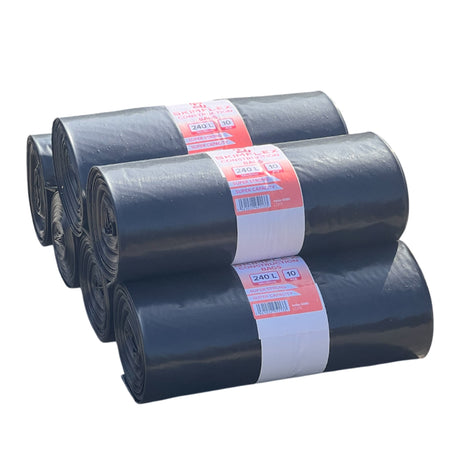
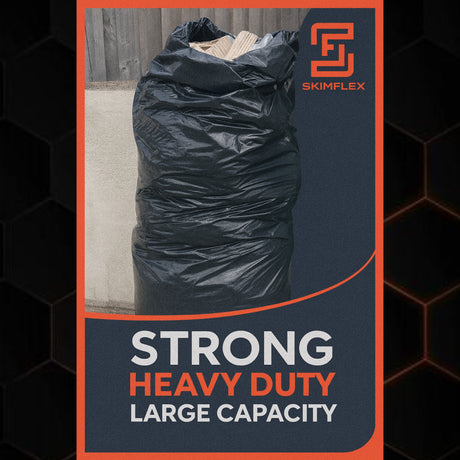
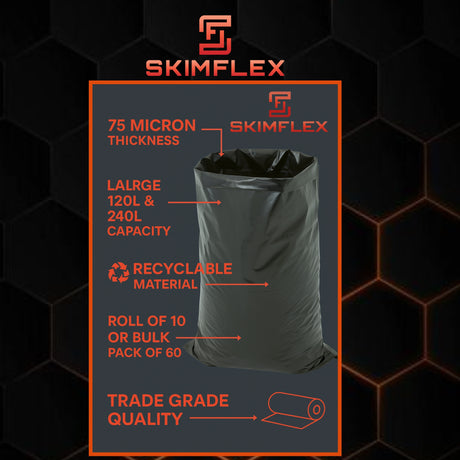
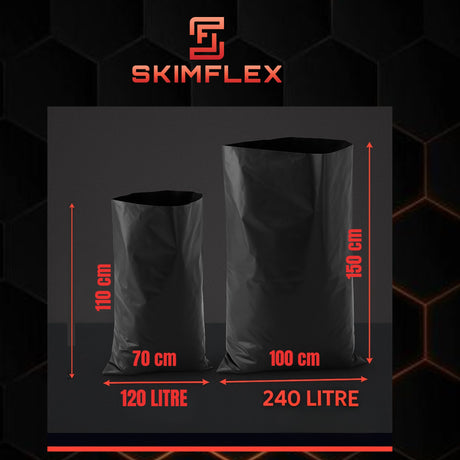
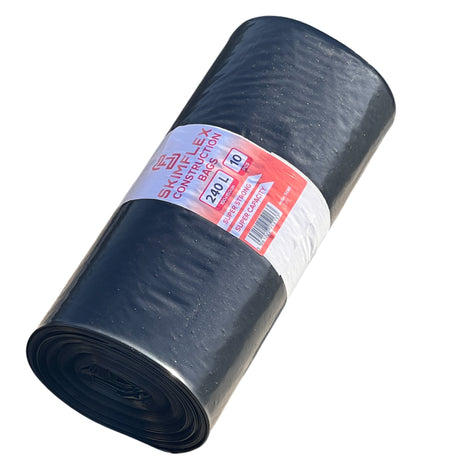
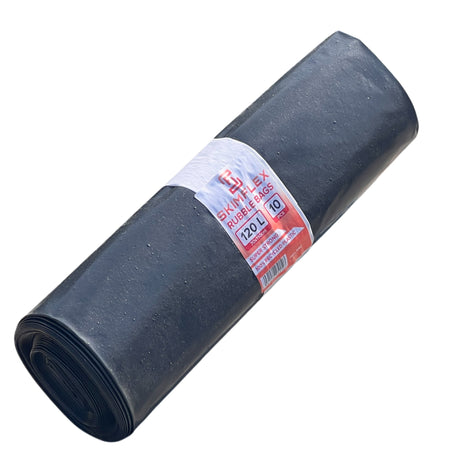
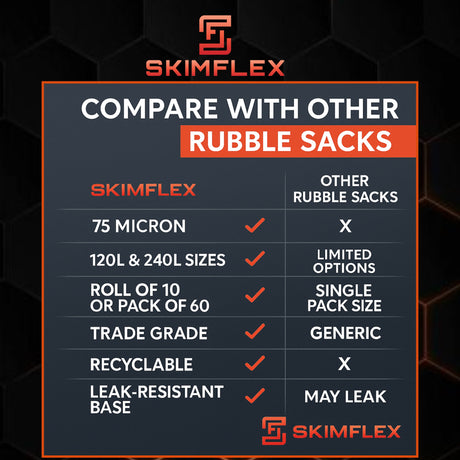
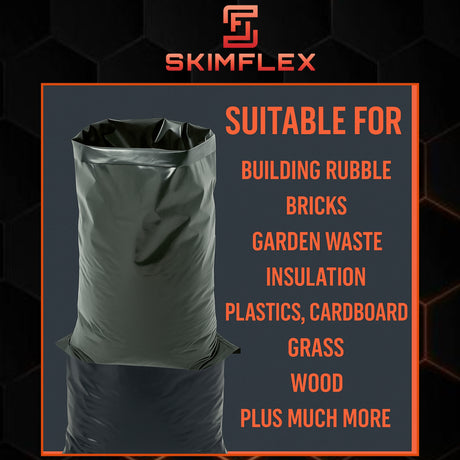
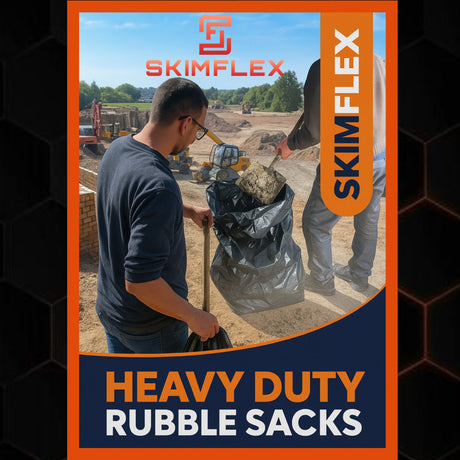
Rubble Sacks Heavy Duty – 120L & 240L Black Bin Bags (Extra Strong, Multi-Pack)
In stock (157 units)From £12.99Unit price /Unavailable -
-
Skimflex
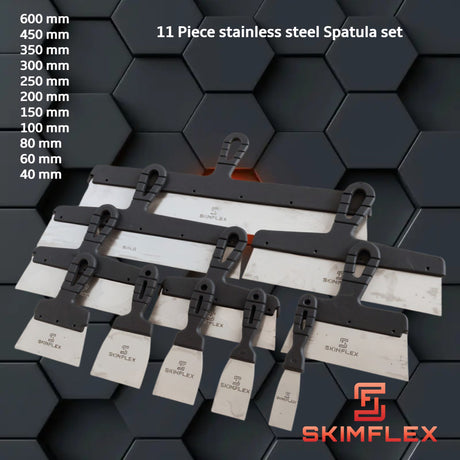
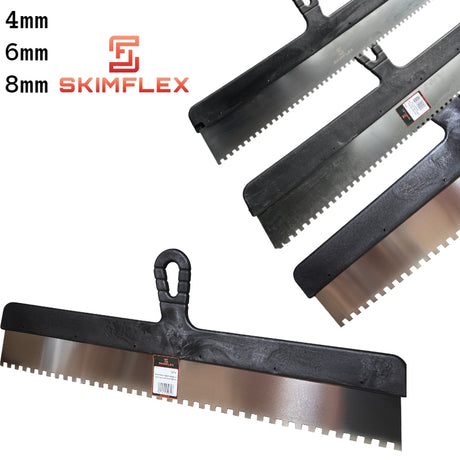
Serrated Plastering Spatula 600mm 4,6,8 mm notches
In stock (81 units)£12.99Unit price /Unavailable -
-
Refina
Refina Aluminium H Shape Straight Edge Section Rule Flat Plastering Derby
Very low stock (1 unit)From £9.99Unit price /Unavailable -